A garden, framed for your wall.
Living art that happens to be smart.
Plants form the composition. Meadori keeps them growing. Color, shape, and texture shift over time, making every wall unique — and always evolving.
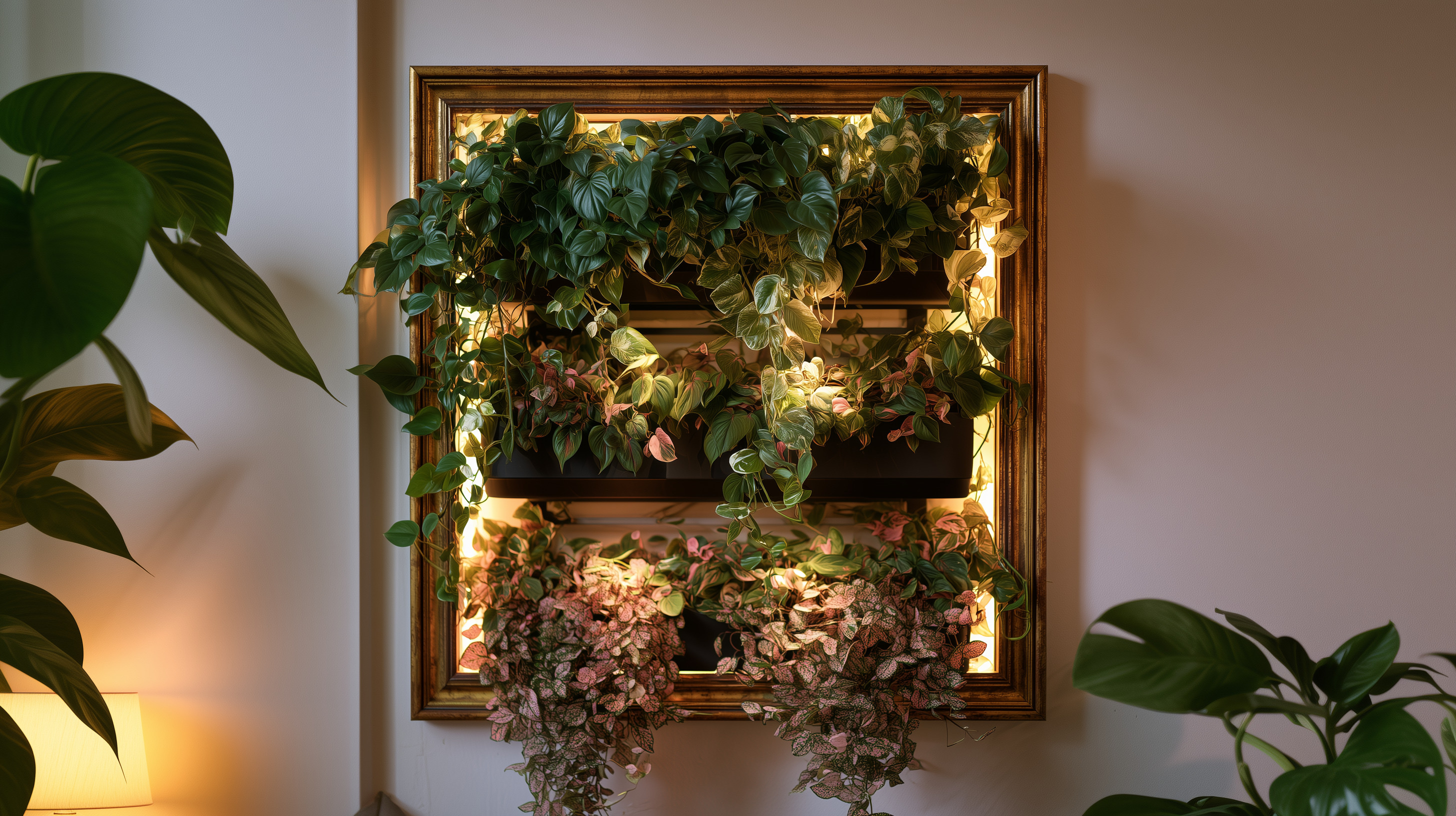
Illustration — final product may vary.
Water goes up. Gravity does the rest.
A small pump lifts nutrient solution from the reservoir to the top of the frame. From there, gravity carries it down through each row; every cell keeps a shallow reserve for its roots, and the excess returns to the reservoir to be used again.
The system decides when to circulate the water. You just top up the reservoir and add nutrients when needed.
Built to hold its own weight
Each cell is engineered to interlock — side to side and top to bottom — into a grid strong enough to carry its own load: substrate, water, and full-grown plants, held flat against a wall. The cells are injection-molded polypropylene; an aluminium frame with a French-cleat mount hands the weight to the wall behind it. It ships flat and assembles by hand.
Every cell is built in two parts: a fixed outer shell and a removable inner cup — a net pot, the slotted cup growers use in hydroponics — that lifts straight out with the plant and its roots. That's deliberate: any plant can be lifted, checked, or moved without disturbing the ones around it, so you never rebuild the wall to change a single corner of it.
Plants that thrive in this format
Not every houseplant takes to a soil-free wall. These are the ones that do best in Meadori's cells — and a couple that don't, so you know what to expect.
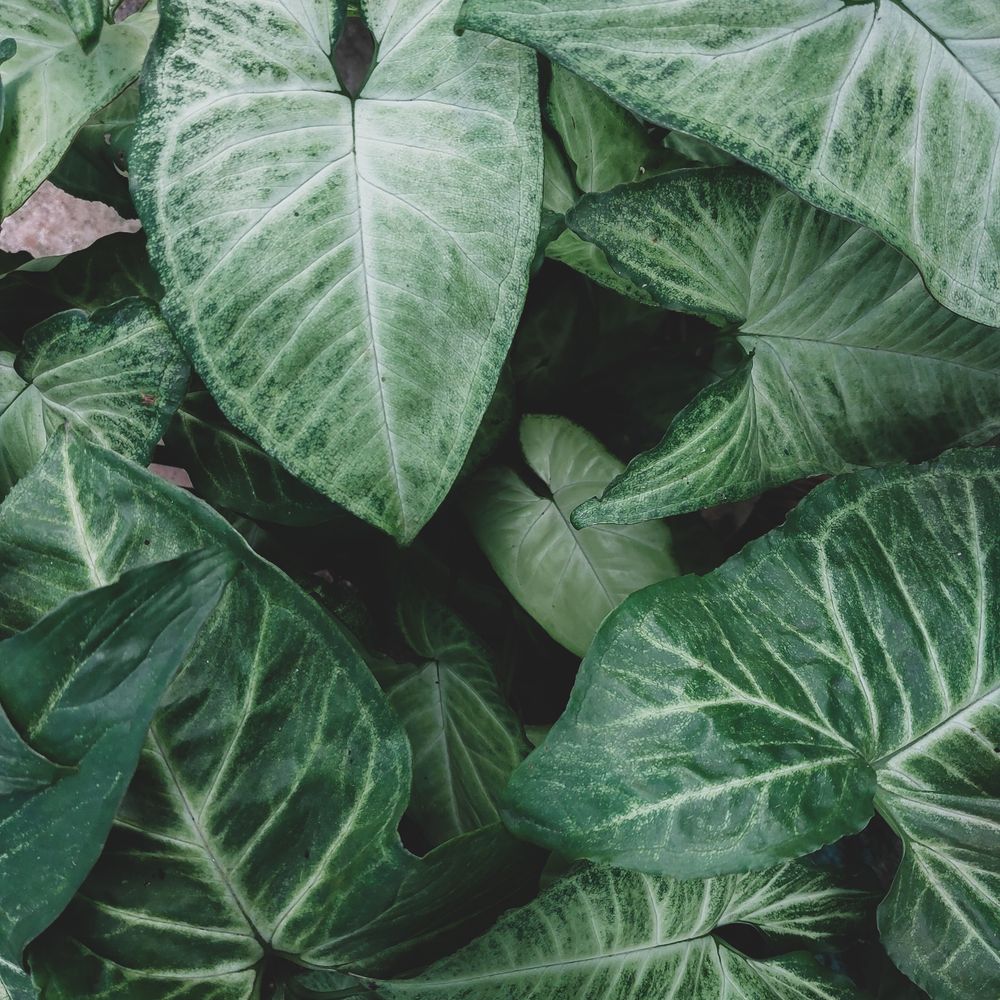
Syngonium
An arrow-shaped leaf that climbs and trails in equal measure, in shades from deep green to blush pink. It adapts fast to a soil-free root system and keeps producing new growth without much fuss — one of the most dependable choices for a first wall.
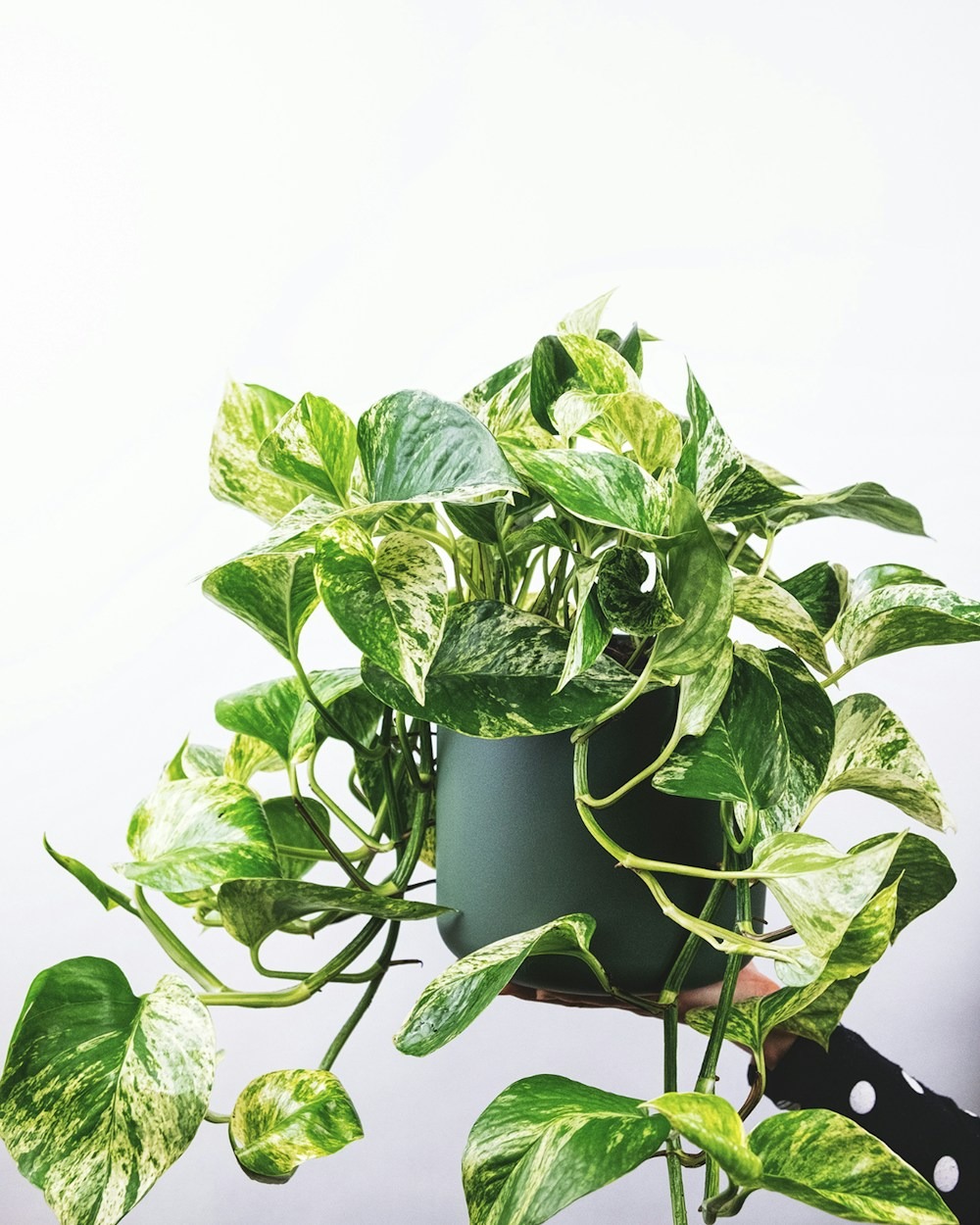
Pothos / Philodendron
The classic trailing vine, and for good reason: it's nearly impossible to get wrong. Heart-shaped leaves cascade freely from the cell, and few plants handle the transition to a water-fed root system as easily.
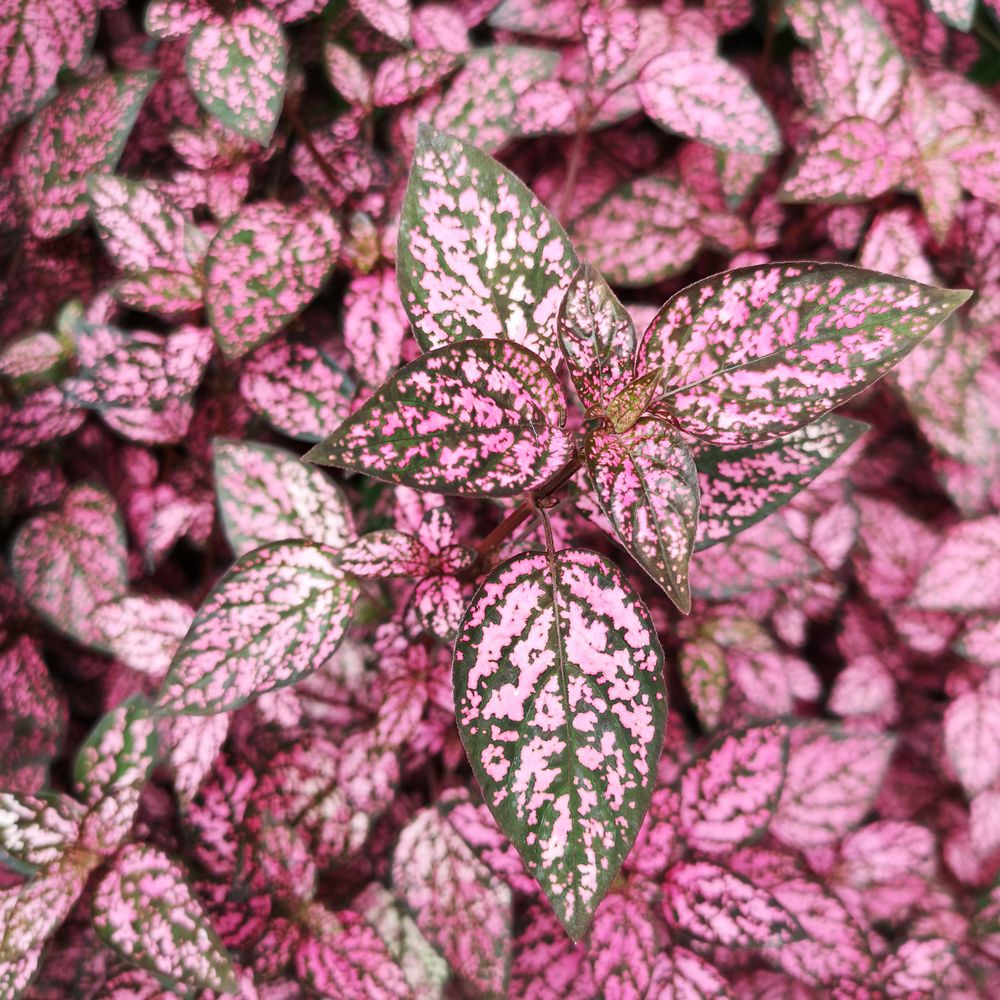
Hypoestes
Small leaves freckled in pink, red, or white — the plant that does the most work for color. It grows upright rather than trailing, so it's the one to reach for when a cell needs to stand out rather than spill over.
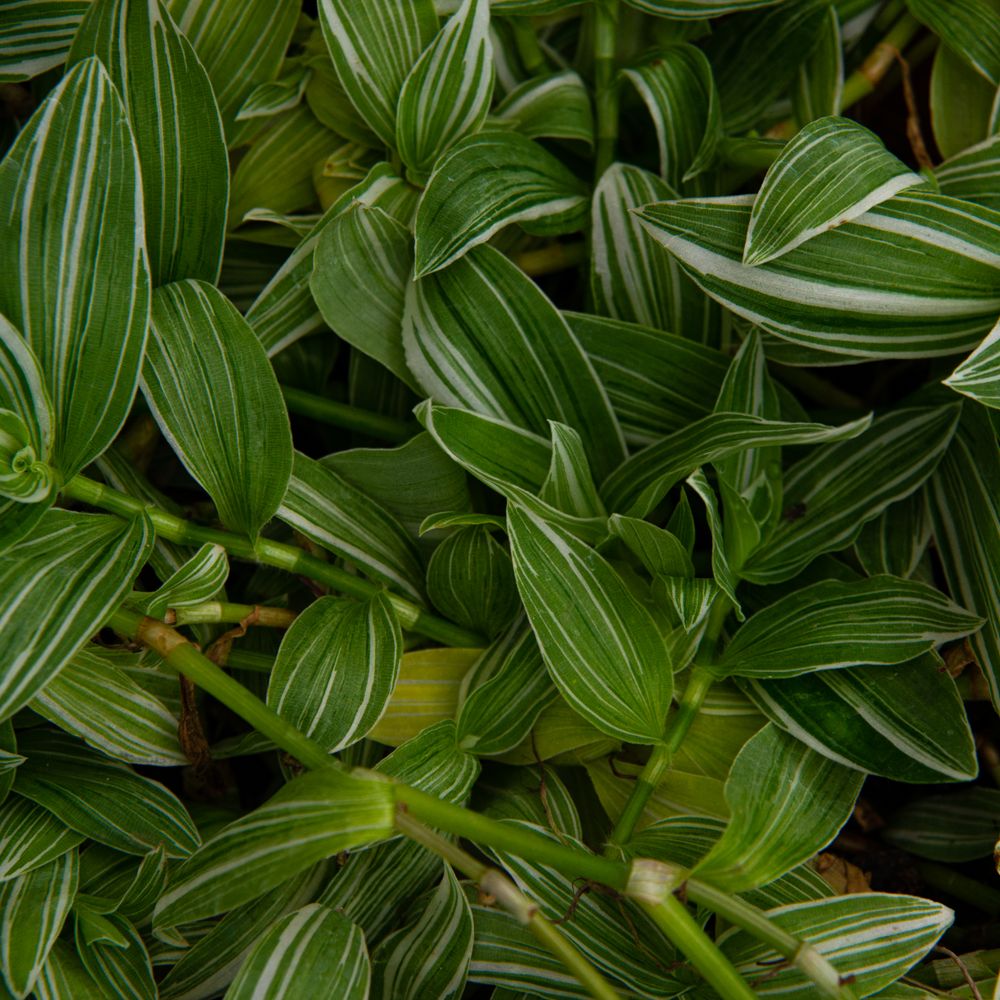
Tradescantia fluminensis
Fast, trailing, and often striped in green, silver, or purple. It fills a cell quickly and roots easily, making it a good pick for anyone who wants visible progress early.
At a glance
| Plant | Growth habit | Light | Fit |
|---|---|---|---|
| Syngonium | Climbing / trailing | Medium to bright, indirect | Excellent fit |
| Pothos / Philodendron | Trailing | Low to bright, indirect | Excellent fit |
| Hypoestes | Upright / mounding | Bright, indirect | Good fit |
| Tradescantia fluminensis | Trailing | Bright, indirect | Good fit |
| Peperomia | Upright / mounding | Medium, indirect | Not recommended — thick, water-storing leaves are prone to rot in constantly moist conditions |
| Wax begonia | Upright / mounding | Bright, indirect | Not recommended — roots and stems are prone to rot when kept consistently wet |
| Torenia / Fittonia | Low, mounding | Medium, indirect | Not recommended — shallow roots are prone to rot in standing water |
| Alocasia | Upright, large leaves | Bright, indirect | Not recommended — leaves too large and stems too thick for the cell format |
| Variegated Ficus (F. sagittata) | Trailing | Medium to bright, indirect | Not recommended — dislikes root disturbance; often fails to transition into LECA |
Shown here is a starting selection — more plants are being added as we test them, and the full list will keep growing.
Choose your plants, choose your layout
Start from a 2 by 3 grid and treat it like a composition. Pair trailing vines with upright, textured leaves; set colour against colour; let it read calm or wild. Nothing is fixed — swap a plant whenever the mood shifts, and the whole wall changes with it.
More frame styles are on the way.
This started in a small village in Cyprus
Souni is a small village in the hills above Limassol, Cyprus — an island on the edge of Europe, in the heart of the Mediterranean. It’s where Meadori’s founder lives with his family. In July 2025, a wildfire swept through the village. Their home was left standing, but many of their neighbours lost theirs.
In the year that followed, Meadori grew out of thoughts about greenery, resilience, and how much living things shape the spaces around us. It became a small way to bring something green, alive, and growing into your own home — right on your wall.
Reserve before the crowdfunding launch
Early reservations get first access and launch pricing. Leave your email and we will let you know the moment reservations open — no payment today, and we will reach out before anything is due.
Ships soon
A few honest answers
How much watering does it actually need?
The system waters and feeds itself. Every few weeks you top up the reservoir and add a nutrient dose — that's the entire routine.
Will the plants survive if I forget about them?
That is the idea. It handles the routine so a normal life does not kill your wall.
Can I grow herbs or vegetables in it?
Not really. Meadori is made to be looked at, not harvested.
The light in the frame is there to show the plants off, not to grow a crop, and the planting cells are deliberately shallow.
That said, feel free to experiment — and tell us what you manage to grow.
What will it cost?
We will share pricing before the crowdfunding launch. Early reservations get launch pricing.
When can I get one?
Ships soon. Reserve now to be first in line.
What's in a name?
Meadori joins two words for the same feeling — "meadow" and the Japanese midori, to flourish in leaf.