
A garden, framed for your wall.
Living art that waters and feeds itself.
Plants form the composition. Meadori keeps them growing. Color, shape, and texture shift over time, making every wall unique — and always evolving.
Water goes up. Gravity does the rest.
About once a month you top up the reservoir and add nutrients. The system does the rest: it decides when to circulate the water, in short, frequent cycles that keep the roots moist from a small reserve, and whatever drains is reused.
A small pump lifts nutrient solution from the reservoir to the top of the frame. From there, gravity carries it down through each row; every planter keeps a shallow reserve for its roots, and the excess returns to the reservoir to be used again.
Plants grow in LECA, small pebbles of fired clay, instead of soil. How to use LECA →
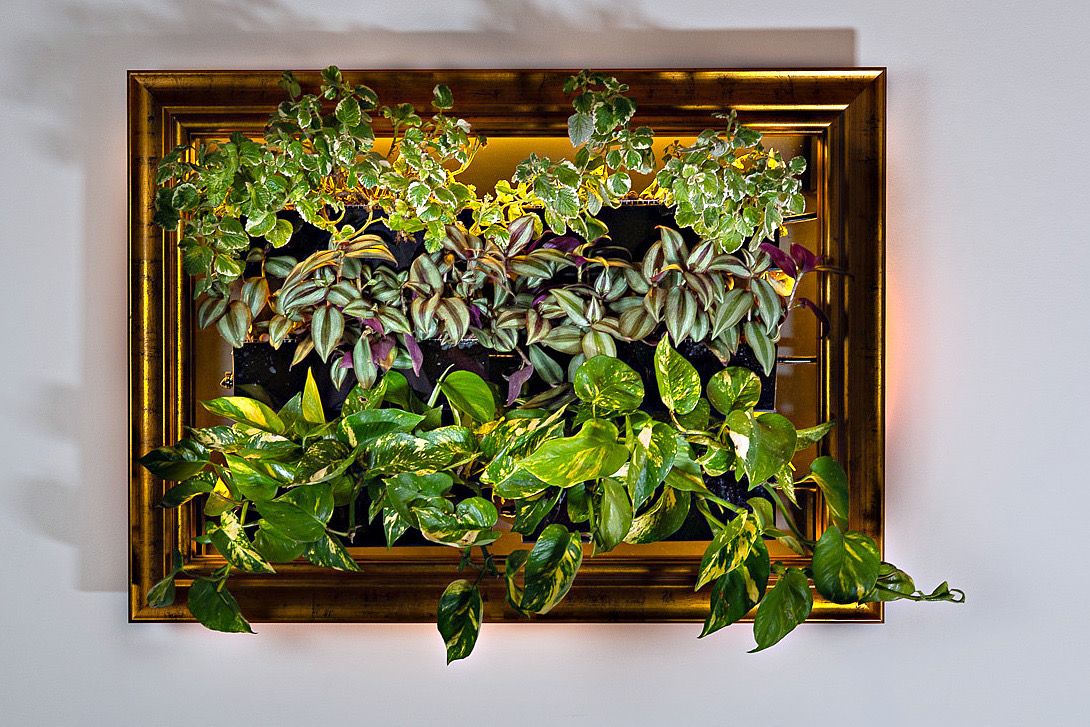
Already growing. Still in development.
Meadori is in development, and our working prototypes already grow real plants on the wall. We're moving fast. Join early access to follow along, and to be first in line when it's ready.
Where we are
- Done: 2 generations of working prototypes
- Done: Growing real plants
- Done: A watering loop that runs on its own
- Done: 21 houseplants judged for a soil-free wall
- Next: the production design, then crowdfunding
A living artwork for your wall
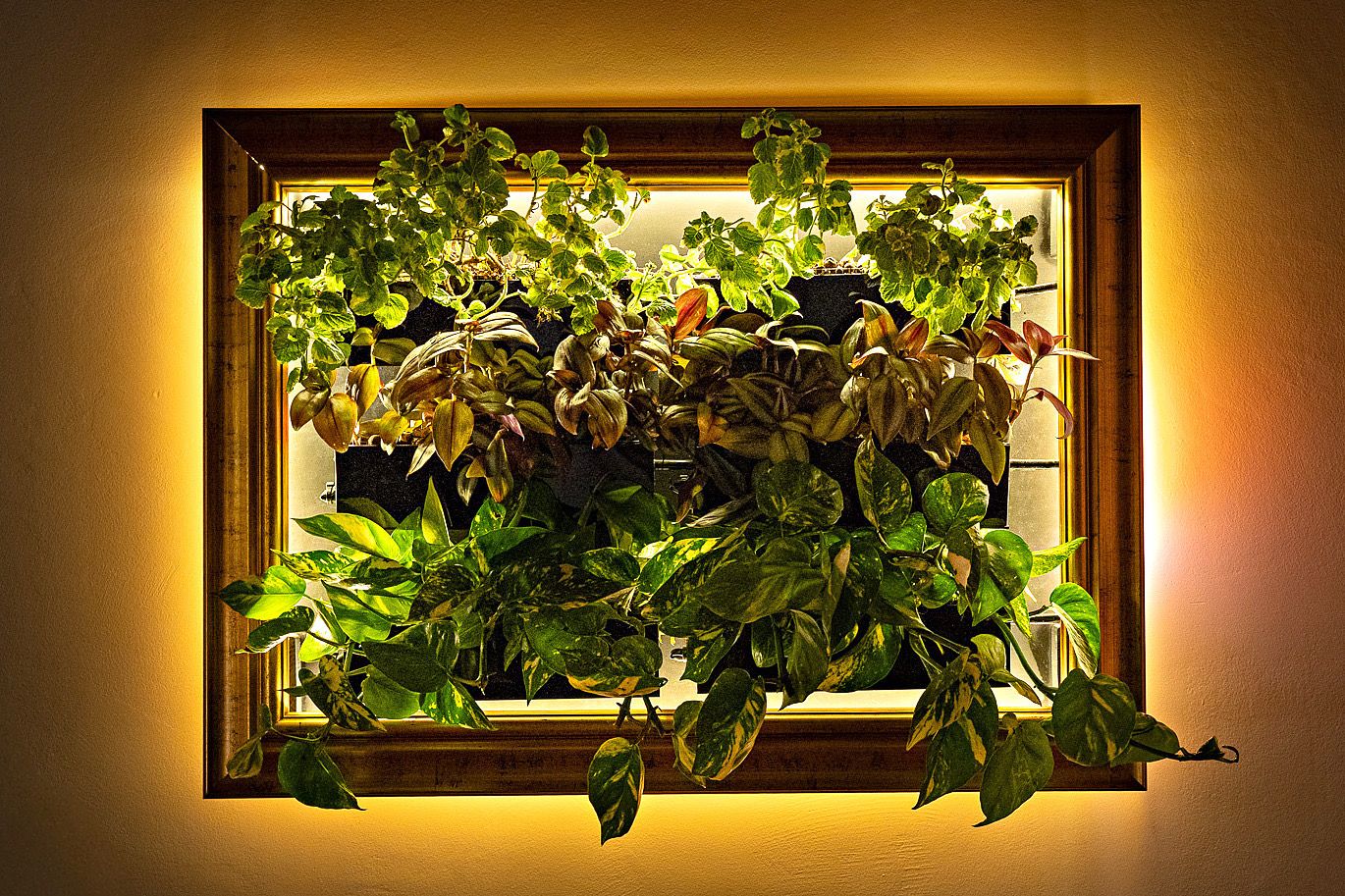
Meadori is made to be looked at. Real plants, composed like a painting and framed, bring life and color into a room, and the picture keeps changing as they grow. In the evening a warm backlight makes it glow.
Choose the frame that suits your room from a range of styles. Each planter lifts out on its own, so caring for one plant never disturbs the rest.
Best plants for an indoor living wall
Not every houseplant takes to a soil-free living wall. Our plant guide judges 21 species, including the ones we would avoid. These five have grown on our own prototypes.
 Grown in our lab
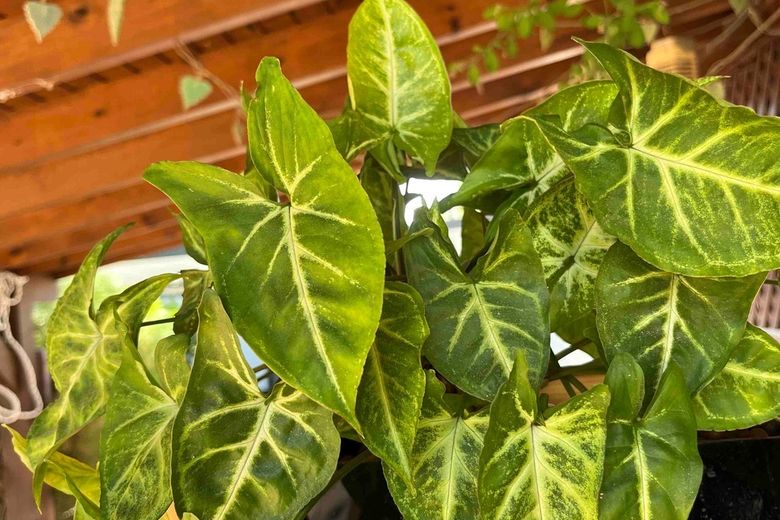
Arrowhead plant (Syngonium)
It settled into 8 cm of LECA and now fills the planter and the space above it.
 Grown in our lab
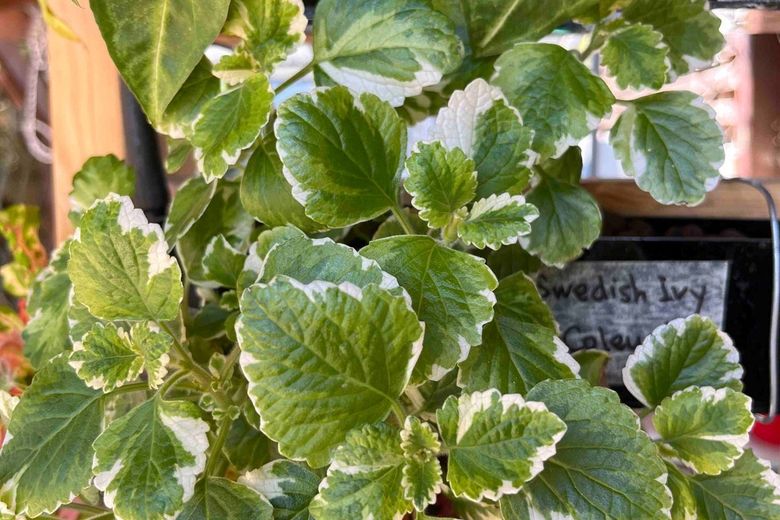
Variegated Swedish ivy
A dense, trailing mound of cream-edged leaves, and it flowered.
 Grown in our lab
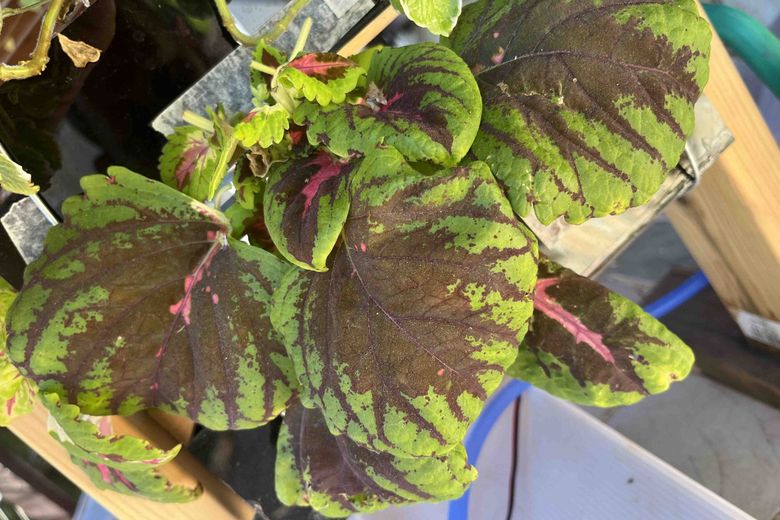
Coleus
One of the biggest plants we have grown, and the one we are still learning about.
 Grown in our lab
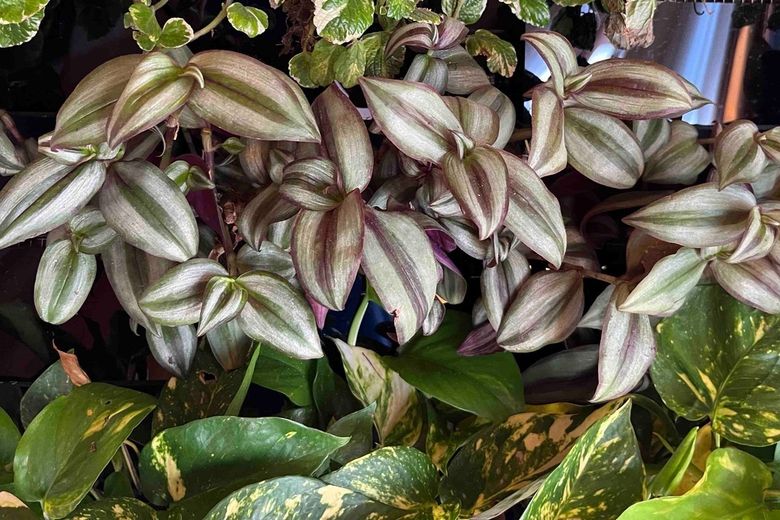
Tradescantia
Fast and trailing, silver striped with purple undersides. It's in its first growth spurt.
 Grown in our lab
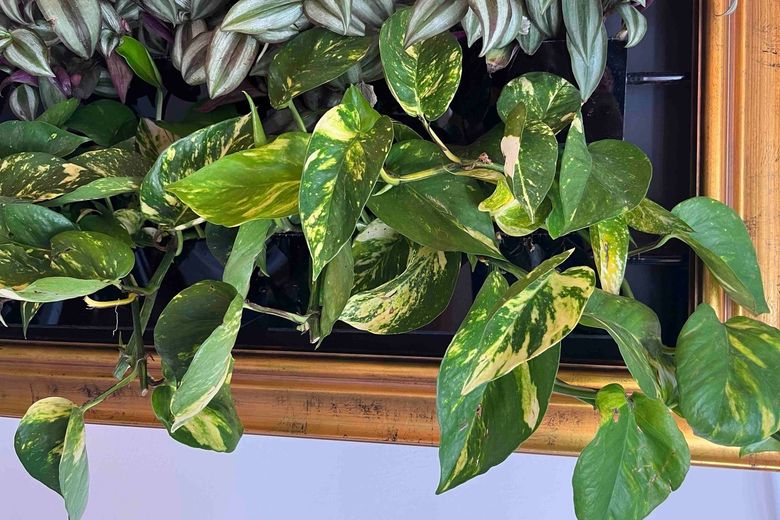
Golden pothos
Nearly impossible to get wrong, and it spills over the bottom of the frame.
This started in a small village in Cyprus
The idea for Meadori was born in Souni, a small village in the hills above Limassol, Cyprus, where its founder lives with his family. In July 2025, a wildfire swept through the village. Their home survived; many of their neighbors' homes did not.
In the aftermath, the idea took shape: a way to bring something green and alive indoors, framed on a wall where there's room for it to grow.
Grow something worth framing
Meet Meadori. A living wall of real plants, beautifully framed, with a hidden system that takes care of watering and feeding.
We're building it now. Join the early-access list for updates, first access to launch, and a chance to test a prototype before production.
Living wall questions, answered
How much watering does it actually need?
The system waters and feeds itself. About once a month you top up the reservoir and add a nutrient dose — that’s the entire routine.
Will the plants survive if I forget about them?
That is the idea. It handles the routine so a normal life does not kill your wall.
Can I grow herbs or vegetables in it?
Not really. Meadori is made to be looked at, not harvested.
The light in the frame is there to show the plants off, not to grow a crop, and the planters are deliberately shallow.
That said, feel free to experiment — and tell us what you manage to grow.
What will it cost?
We will share pricing before the crowdfunding launch.
When can I get one?
Ships soon. Reserve now to be first in line.
What's in a name?
Meadori joins two words for the same feeling — "meadow" and the Japanese midori, to flourish in leaf.